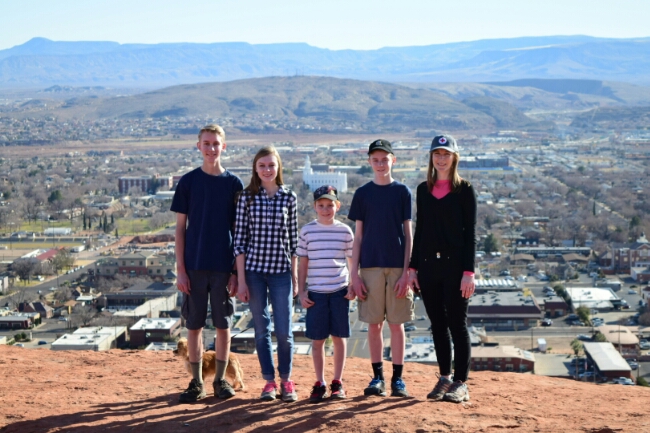
The Arizona-Sonora Desert Museum

2006-2012

The Arizona-Sonora Desert Museum

In 2005 the realtor who listed our home in Austin recommended that we try the Arizona Sonoran Desert Museum once we moved to Tucson. This was great advice. Going to the Desert Museum became a pattern in our lives while we lived in Arizona. It was the place we tried to take all of our guests; it was fun for kids and parents. It was one of my go-to home school field trip destinations. We went there several times a year.

A trip to the Desert Museum was a sensory feast. After driving 20 minutes on the freeway and other busy roads, we turned onto a narrow, winding road. Rock shops appeared along the road as other signs of civilization dwindled. We drove another 15 minutes among cliffs and ancient saguaros, tall and haunting. Not only was the road winding and narrow, it had great dips and inclines, making it feel like a roller coaster if we took the curves and dips with some acceleration. The van would fill with squeals of laughter as stomachs dropped with the dips and turns. The smell of sunblock floated in the air as the kids prepared for the day in the sun. I could look back and see children’s eyes wide with excitement. Sometimes they would raise their hands high above their heads for the declines and quick ascents. I’d turn up the music.

We always started the day early, arriving at the Desert Museum as it opened. I loaded our green stroller with water bottles, snacks, hats, the camera bag, sunblock, and notebooks. It was quite a production, setting out for a day in this mostly outdoor museum. It grew hot quickly, so we followed a path where we knew we could find shade at the hottest parts of the day. The “museum” felt mostly like a walk in the desert with occasional docents along the way holding birds, skulls, or other desert animals. There were enclosures for animals, but only a few structures that provided shade.

Our favorite attractions were in the summer, when the butterfly gardens were teeming with caterpillars and butterflies and the monsoon rains had awakened the flowers. We avoided school field trip days by going in the summer, too. Sometimes we would stop to sketch the hummingbirds or linger and watch the desert tortoises in the early part of the day. By 10:00, we were usually very warm and we would make our way to the pavilions with air conditioning and then the ice cream parlor built out on the trail. The ice cream cones always seemed like manna, and I didn’t care that it was only 10 am because it made the grumpiness disappear.

There were mammals, reptiles, insects, spiders, monkeys, and birds to see. Our favorite animal was probably the mountain lion that had a cave where it would sleep, its face sometimes pressed up against the window for the kids to admire closely.

The mountain lion was always at the end of our ability to cope with the heat, so we would head up the hill toward the cave for the rest of the day. The cave was man-made, and you entered on a paved path. Inside there were exhibits about space and volcanoes, rocks, and minerals. Best of all, there were tunnels going off the main path for the kids to explore. These cave-like tunnels were narrow, smooth with wear, and a little smelly with mildew and stale people smells. Those who braved these narrow passageways were rewarded with a view of cave formations, great stalactites and stalagmites illuminated in golden light. I would sit at the base of these tunnels on a rock and let the kids wander and play for about an hour, hearing their happy voices echo through the corridors.

The final leg of our journey took us out of the cave past a “mine tailings” exhibit where kids could search the gravel for shiny, colored rocks. Each guest was allowed to keep one or two rocks. Serious thought went into these choices. Pockets were emptied on flat surfaces and the rocks were admired, but in the end, only a few would become ours. We stored our treasure rocks in the small compartment in our stroller. One last stop before the big hill to the parking area was the excavation area where kids would put on goggles and chip off plaster from around “fossils” of ancient animals.

The snake and insect houses were either first or last, as they were located at the entrance. I don’t know if the kids remember these exhibits as much, but there were Gila monsters, scorpions that glowed under a black light, and rattlesnakes.

The end of a trip to the Desert Museum always felt like a triumph, having conquered the elements with every device we had. The drive home often included a trip to the McDonald’s drive up window on the fringe of civilization. It was hard work being desert explorers, but we loved it. If I could go back to Tucson for a few days, I would take the kids back to this magical place. Their longer, lankier bodies may not fit so easily in the cave, and some of that wonder of childhood would be gone, but I know that they would have fun. It was ALWAYS a good day at the Desert Museum. How many things in life are like that?

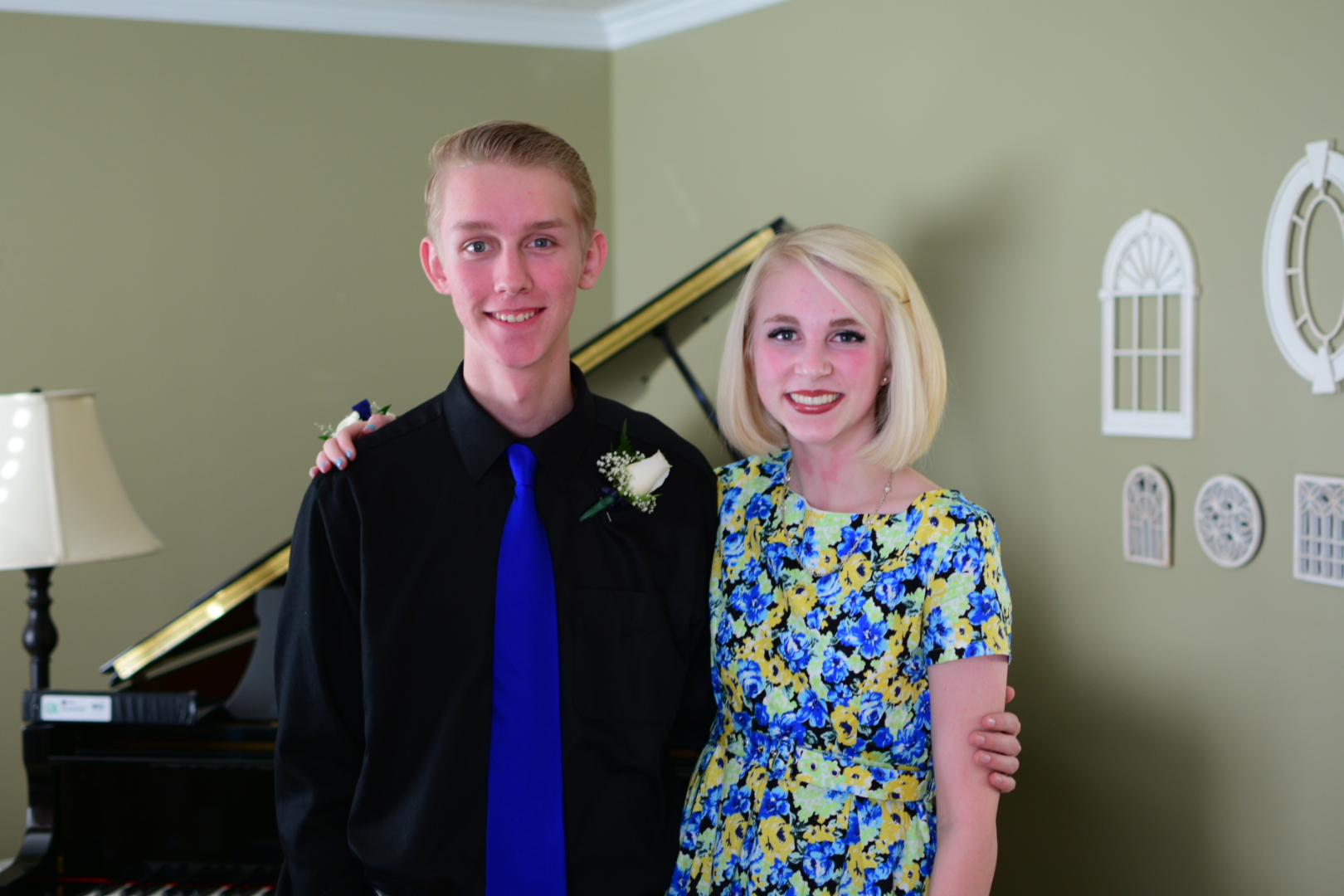
 

The Jeep

2004, 2009

One night when Paige was seven I was driving home from a Relief Society appointment and saw that someone had placed a yellow child-sized Jeep next to their trash can on the curb. I had always thought that child-sized cars were adorable and I began to have visions of our kids riding around in this little yellow jeep. Oh, I wanted this piece of trash!

I went home and asked Richard to go and get the jeep for our kids. He walked up the street and wheeled it home while I hid in the house, hoping our neighbors wouldn’t notice that we were going through their trash. When we inspected it, we learned that it didn’t have a battery and it had some electrical problems. Richard worked on the electrical parts and bought a new battery. Eventually he got it moving. The wheels were brittle and cracked from years of sitting in the sun and the plastic was old and faded, but it could go!

Paige and Daniel loved that jeep. The motor sounded like it was screaming when they pushed the pedal, and the cracking plastic wheels sounded brittle as they scraped along the sidewalk. I chuckled at Paige who made gutsy 3-point turns, shifted gears quickly, and pushed the jeep to its maximum speed. This quiet little girl was born to race! With Paige driving, she and Daniel would raise their hands high above their heads whenever they crossed a driveway and let out a loud squeal.

Our neighbor Natalie, who was 4-years-old like Daniel, joined the derby in the evenings with her own pink and white Barbie jeep. Paige and Daniel would take turns driving our jeep. All of the neighborhood friends came out in the evenings that summer. Tien, Sadaf, Natalie, and Daniel raced past the house with a clatter, screams, and laughter. Sometimes they raced bikes, scooters, and a tricycle along with the jeeps on the sidewalk in front of our house as the sun went down.

The yellow jeep was loaded into the moving truck when we went to Arizona, but it was damaged in the move and the kids drove it a couple times around the yard before it gave out. We parked it on our back patio and the kids would sit in it, imaginations turned on high, pretending to drive.

In 2009 we bought a child-sized truck so Timothy and Mark could have the driving experience. This truck was new and didn’t have the condition issues of the first jeep. It even had a working radio. Our favorite place to let the kids drive the truck was in the grassy field a couple of blocks west of our house. There we let them drive across the grass, around the paved path, and up and down the grassy hills. Timothy and Mark were excellent drivers, but Mark seemed to like to drive it the fastest. He would also turn the radio dial until he found a hard rock station, turn up the volume, and go tearing up the hills and down.

The children, each around age nine, grew out of the toy cars. Their legs were too long and buckled up to their chests when they sat at the wheel. Jeep and Truck memories only make me smile.

Motivational Monday

[Arabian myth:] A horseman was riding across the desert at night, and as he went through a dried-up riverbed a voice out of the darkness commanded him to halt and dismount, which he did. Then the voice told him to fill his pockets with the pebbles at his feet, which he did. And then the voice told him to remount and ride on, which he did. As he rode out through the darkness, the voice said to him, ‘At sunrise you will be both sad and glad.” At sunrise he looked in his pockets and found that the pebbles he had picked up were diamonds, rubies, emeralds, sapphires, and pearls. He was very glad and very sad. He was very glad that he had taken as many as he had and he was very sad that he had not taken a lot more.

Sterling W. Sill

Today, in typical Monday fashion, I have great plans to make the best use of my time this week. I want to look back on the week, full of pebble-like tasks, and see that I am a little better than last week in my prayers; that I have learned a difficult section of a violin piece; that I have reached out to a handful of sisters in a meaningful way; and that I have eaten a little more quinoa and a lot less sugar. Mondays are so full of promise. Sunday will come, and my pockets won’t be as full as I hoped. However, Sundays are the day that I have the strongest reminder that it’s not about how many pebbles I collect; it’s who I am becoming with Christ’s help–and the difference I can make to others– as I use the hours I am given.

Lessons about Criticism

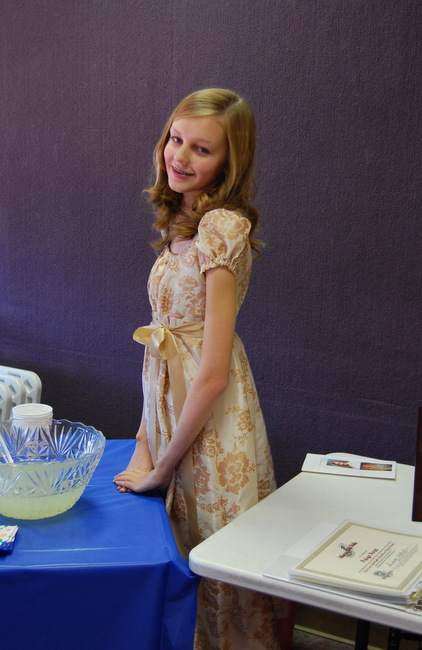
We were at the community library meeting room and we were celebrating a milestone for Paige and another boy who had just finished 8th grade in home school. Friends gathered to watch Paige play the piano and the boy sing. It was an exciting but vulnerable day for me, showing the efforts we had made in home education to the public. We invited friends and had cake and punch. Paige and the boy had each prepared an elaborate display of their school experiences and talents.

There were probably 25 people in attendance, and a guest approached me after the program during refreshments. She was in her late 60’s and introduced herself by saying her name and that she was a supporter of public school.

Okay, I thought. Here comes the conversation I had dreaded, the conversation that I feared would come in a public place. I had avoided most stores and restaurants with my children during school hours for 9 years so this wouldn’t happen. I knew that I was going to be accused of neglect or selfishness or coddling, by a stranger. I was literally backed up against a wall as she told me what she thought of home education.

She voiced her ideas. I responded in a calm way. We both came away from the conversation with something to think about. I was devastated by what she said to me, even if it wasn’t a new argument. I think it was just the wrong place for her to initiate such a conversation.

I felt numb for weeks after this. Her words hurt because she believed that I was “anti-community.” I had always believed that raising children and teaching them well was the best way to build a community. She didn’t know me. She didn’t know that I communicated with 70 families over a large area to see that our children were out of the house doing PE, academic activities, art classes, field trips, and service projects. She didn’t know that I was a volunteer science teacher and that we maintained a community pond. She didn’t know that I ran a Cub Scout program for children from any school background. Her words hurt because I was feeling vulnerable when she said them. Her words hurt because she voiced her concern to me in public. What should have been a celebratory day became one of the worst days of my life. It’s taken me many years to be able to write about it.

As we drove home from the event, the song, “Don’t Rain on My Parade” from Funny Girl came to my mind. It became my theme song when I dealt with criticism. I’ve played it many times over the years with the volume turned up high.

For eleven consecutive years I was an unconventional parent and home schooled my kids. Then I took a break and picked it up again for Mark in elementary school. It was okay with me if people disagree with my decisions. Through these years of being unconventional, I have learned that even when you disagree with someone, it’s possible offer untainted compliments and support.

People often told me horror stories about home school families or would begin a compliment about my child with the phrase, “I don’t agree with home schooling, but…” When this happened, it was hard for me to find the compliment clothed in criticism. I learned not to bring up home education to most people I knew. It was just too complicated.

To show support, some people offered to teach my kids a skill such as painting or foreign language, withholding any hint of disapproval. I took up anyone’s offer to help. I was very open to learning experiences outside the home. Some people would give simple compliments, such as, “Your son was polite to me today. Thank you for training him so well,” or, “I noticed you and your kids working on the community pond. Thank you.” I didn’t want them to tell me that home schooling was good or bad. I wanted to hear that my kids were good.

As much as I love compliments, I learned to function without the approval of others during those years. During this time of being unconventional, I learned that there is more than one way to raise a child well. I learned to respect different methods of teaching, raising children, and approaching a problem. I learned to trust the inspiration and direction from God that I received. Over the years I followed the thoughts that came to my mind that were not my own, including the phrase that came to my mind one day, “Send your children to public school this year,” followed by other specific instructions.

The lessons I learned during the home schooling years can’t be numbered, and the lesson about tolerance is an important one. I learned that it’s important to show respect and support for earnest efforts in parenting. I try to do this by focusing on positive things and giving pure compliments and encouragement, untainted by disapproval. If all I can say to a parent is, “I love your children,” that is enough. And if someone is having a celebration for an accomplishment or milestone, my goal is to never rain on someone’s parade.

Our voices are needed

image

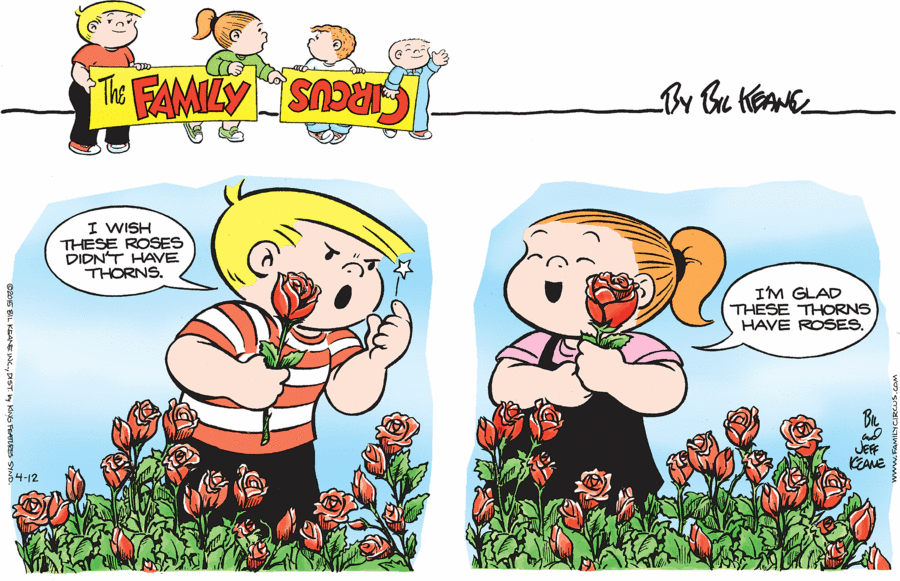
I shared this cartoon with my Relief Society sisters last night. I have seen over and over again how much our Priesthood leaders count on hearing the sisters’ perspective about issues; how sisters are needed in the complicated times of illnesses, births, weddings, deaths, and grieving, along with every day moments. Their voices are needed, not just to find pretty things, but to help with concrete, difficult issues.

The sisters in my congregation have been helping someone pack her house for a move. On Saturday our brothers carried the boxes we packed to the storage unit. It’s one of many examples of how we are all on the same team, doing the same work, but with different roles.

Sisters need their brothers’ perspectives and talents. Sometimes it’s the bishop who sees the roses when all I can find are thorns. More important than that, I am comforted to know that the bishop holds the priesthood keys to direct the Relief Society. His voice is essential to the work, but it doesn’t diminish my role. I counsel with the bishop and then we both work for a common goal. In my marriage, I depend on Richard to help me see situations with greater clarity. We have different jobs and ways of doing things, but the same work. And it’s a great work, requiring each person’s voice, heart, mind, and strengths.

Little Drummer Boy

Daniel, at age 9 was invited to sing The Little Drummer Boy at a big community Christmas show at the high school auditorium in Sahuarita, Arizona. The show featured dance numbers from Paige’s dance studio and choral and instrumental performances of Christmas music between the dances. Daniel’s number was unique because he would be singing while some 3-year-olds danced with drums.

He prepared well and was serious about the opportunity to sing in front of the town. Richard and I sat on the second row so we could film his singing and Paige’s dances. Daniel had been to all of the rehearsals, including the dress rehearsal with the little girls in red and white tutus that were as wide as they were tall. However, we couldn’t have predicted what the audience of 1000 people would do when they saw these girls enter the stage in those sickly-cute tutus and overly-curled hair.

Daniel sang at the corner of the stage and the girls marched out with their red sequined drums. Audience members erupted into small chuckles and shared comments about how cute the girls were with their neighbors. Daniel sang on, despite the growing din in the auditorium. Then one little dancer decided to go rogue. She sat down and refused to stand up with her drum, which caused a comic scene on stage with at least one dancer getting angry with the non-conformist. A drum was kicked across stage. The audience, already noisy, cackled with laughter and talk. Daniel, wide-eyed and determined, continued to sing in what must have been a most baffling and difficult circumstance. How could he hear the music over all the noise? He sang perfectly, but looked bewildered. He took a bow at the end, eyes shifting uncomfortably across the laughing crowd. I hoped he didn’t think they were laughing at him.

I felt sick. My disappointment for Daniel and anger at the audience’s rudeness made my stomach tight. My inability to predict that Daniel would be singing over raucous comments and rowdy laughter and save him from it was a new kind of trial for me. I still can’t hear this song without remembering the horrible behavior of the audience that night. But Daniel was magnificent.