Ten ideas for home school survival

This list is not really about home schooling. Most of these things apply to any long-term goal. In other words, this post reminds me that diversity is important in ideas, but principles are the same for accomplishing goals.

10. Nurture a marathon mentality. Sprinters will not make it.

9. Create a nurturing environment rather than an adversarial one.

8. Encourage friendships inside and outside the home schooling community. (Moms and kids)

7. Read books aloud daily. Go nuts and buy a lot of books. Libraries like ours lack classic literature and history books for children.

6. Steel yourself to criticism, and avoid unfair self-criticism. Be warned that people will test your children in public places about math facts and ask if they have any friends.

5. Define your goals. Educate yourself. Find a curriculum that works and put your blinders on. There are hundreds of choices out there, but you don’t have time or energy to sample all of them.

4. Establish and maintain routines for start time, friend time, quiet study time, service, and jobs around the house.

3. Make family and personal scripture study part of your school day.

2.  Have a gloriously fun time.

1. Pray a lot.

One load, one dog

Well, looky here. I washed the blankets our dog rests upon and this is what came out in the lint collector.  Revolting, isn’t it?

And here’s another view to give you nightmares.

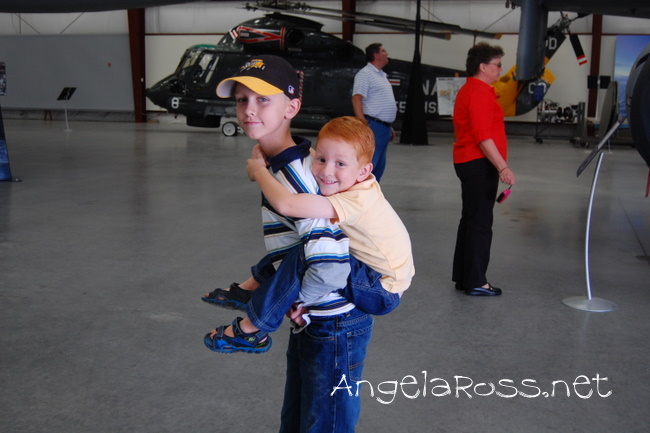
Today, aside from the above lint ball, was wonderful. I found a lot of joy this morning watching a friend’s children and reading books to the baby. I giggled as I watched this baby maul Mark with hugs and kisses for about 30 minutes. Baby kisses! Mark didn’t know what to think. He’s always been the kisser. He kept looking at me for help/reassurance/help but I was too busy cheering on the baby,” Tackle that big boy! Big hugs, now!”

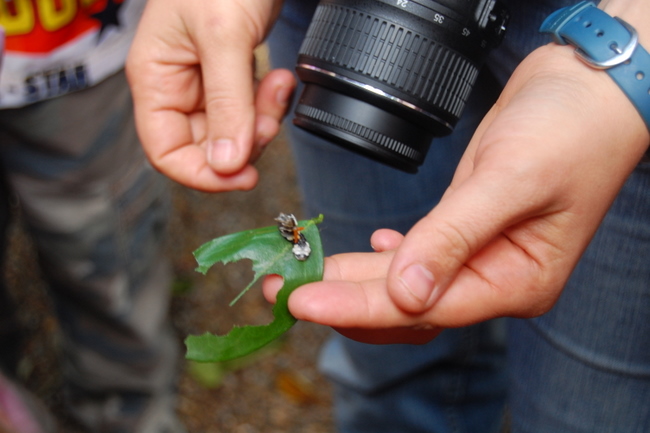
After baby-sitting we went to a science club meeting and I taught 20 kids about crystals. Fun. We also harvested papyrus from the pond so we can learn how the Egyptians made papyrus. I know, you wish you were us. Only, you wish you were us with a unicorn.

We came home and I tried to read aloud to the kids but had to take a nap at chapter 5. I fell asleep on the couch listening to Daniel read to the family where I had left off. When I woke up, Timothy asked me if I’d like to hear him read the last chapter of his book. (Shouldn’t we all just cancel our cable and read aloud to each other from now on? I am sure it would solve most of our problems.)

And so it went, my last day of being 35, surrounded by my children plus twenty, growing crystals, harvesting papyrus (and dog lint)… and people, I loved it. I couldn’t wish for a better day.

To Do Today

Today I need to sew ribbons and elastic on these new pointe shoes. It’s a surprisingly difficult task. Shoes don’t fit well in a sewing machine and I usually sew the elastics 3 times because the shoes have to fit just right.

I love new ballet shoes. Aren’t they beautiful?

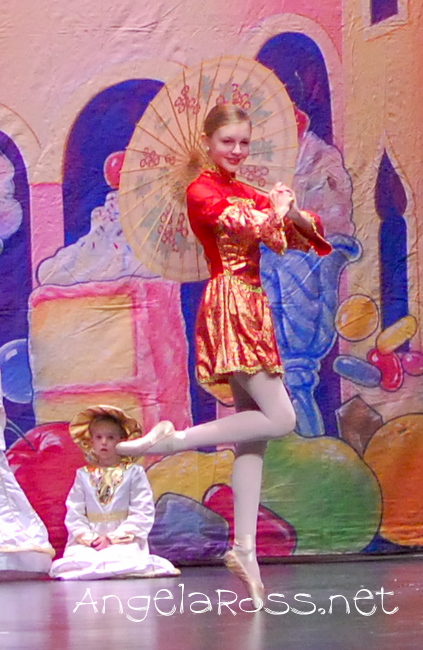
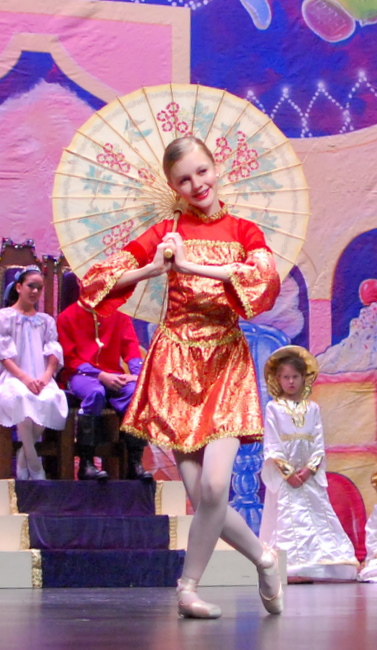
Paige’s costume for the Chinese dance just arrived and there is some altering for that, too.

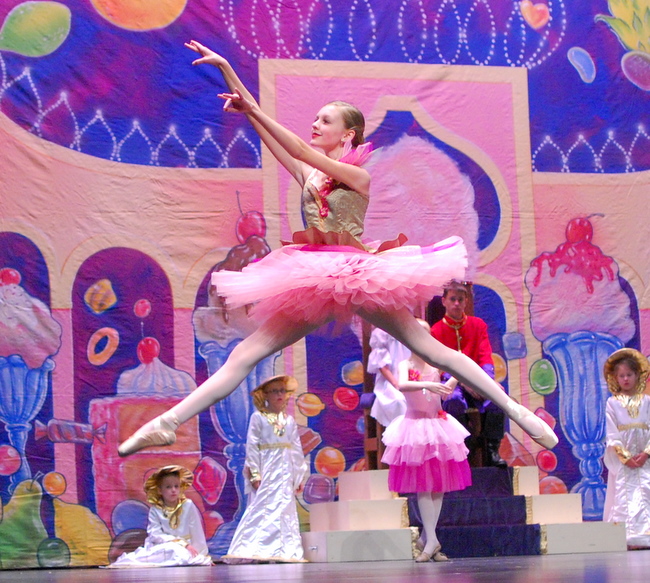
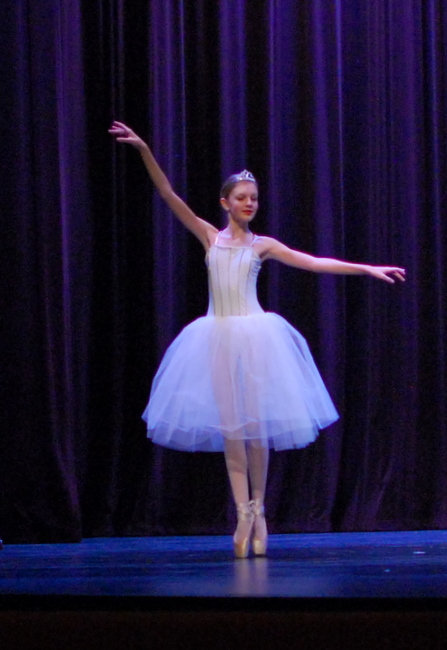
Paige’s debut in the Nutcracker ballet is on December 11.

Little memories

Mark looks like me.

I teach the Sunbeams (ages 3-4) at church and I love them. I have been thinking about my memories of my Sunbeam year. I have observed that young children can be very perceptive of social concepts. Childhood is not always carefree.

For instance, I remember my mother taking me to preschool. I have always been frightened of everything, especially change. I remember laughing hysterically as I climbed a small playscape as my mother walked out of the room so it would seem like I didn’t notice that she was leaving. That was hard to do.

During that same preschool experience, I observed that the teacher’s helpers always held the social, pretty girls on their laps during singing time. I was not one of these girls. One day, there was a helper who held me on her lap and gave me a small, opened package of lifesavers when she had to leave. I followed her on the other side of the fence as she walked away on the sidewalk, wishing she wouldn’t leave me. I felt so much gratitude and love for that teenage girl!

I remember sitting in my Sunbeam class and the teacher held a picture of Jesus Christ and asked the class who it was. I said it was Heavenly Father. I felt so embarrassed because that wasn’t the right answer.

This year as I have taught Sunbeams, I have tried to remember that children are so very precious and although they can’t always verbalize why they are acting upset, their feelings are real and deep. I have loved their drawings, their hugs and even kisses on the cheek when they come to Primary. I watch them enter Primary and they are hoping to be noticed.

I once heard it said that a child needs to see your face light up when you see them. I think it’s true for the very young, especially as they make the big steps into Primary and school.

Demanding more

It’s interesting to me that in addition to thinking, talking and writing are important to gaining an opinion about things. It’s evidence to me that we are not meant to be isolated; enjoying the company of good listeners and thinkers is a gift to cherish. Quiet thinking time and expression of thoughts in writing or speaking grows more important in the education of my children as they grow older. I’m moving into adolescent level instruction in my home, and it is demanding and exciting. It’s secondary education and it is something I do well.

Pre-adolescent children are very concrete in their learning. They often require props and make very tightly bound conclusions about things. They live in the “happy land of absolutes.” During adolescence, thinking becomes more organized; kids are able to discuss independent thoughts about what they have read, rather than just recite the plot back to you. However, the ability to say what they think about something (metacognition “thinking about what they are thinking”), draw conclusions or grasp abstract concepts or think multidimensionally (formal-operational thinking) is a gradual process and can show up at some times and not others. Even adults don’t always operate on a formal-operational level in their thinking. It’s even more so with adolescents. Some days they seem to understand; they are able to tell you what they learned, what they think, how it can be applied, etc. but then the next week that ability seems to be gone. Despite these setbacks, it’s good to stretch their minds.

Higher level thinking skills emerge as students are expected to rise to this level. In other words, challenge is essential to being able to learn to think well.

There are three things I have learned to help navigate the waters of higher level thinking questions.

First, before a lecture or discussion, draw students’ minds to certain points. For instance, if you are studying a document, you can ask them to “look for…” or “think about how you feel about…” before you begin studying the document. You can say, “After you read this book, I will ask you questions about your thoughts about your responsibility to family vs. country.”

Next, to help them work up to big thoughts, ask fundamental, basic questions first. These are the building blocks with which we build bigger thoughts. In book discussions I find it easier to move to higher level questions if I ask basic plot, geographical or historical questions first. People need to be a little conversant about a subject before they know what they think about it.

Last, I have also learned that big questions require WAIT TIME. This means after a difficult question, allow students some time to think. These sometimes uncomfortably silent moments can seem to drag on forever, but come on, we can’t expect profound answers without time to formulate them. Rephrasing the question helps sometimes. People need time to prepare their thoughts and even then, they don’t always know what they think.

This is where writing can be helpful. Nothing makes you analyze the logic, validity, and form of your ideas than writing them out. Wrestling with ideas as I write is something that I love to do.

And, in case you are wondering, a lot of what I said in paragraphs 2 and 3 I learned by reading this text:

Steinberg, L. (1993). Adolescence, 3rd Ed., New York: McGraw-Hill, Inc.


The Big Picture

We decided to watch Citizen Kane a few weeks ago. We watched it and then we watched it again with Roger Ebert’s commentary. I love learning the details of movies. My memories of Hearst Castle with Grandma and Grandpa were revived, too. (Citizen Kane seems to be based on the life of William Randolf  Hearst.)

Another movie I really enjoyed learning more about was Dear Frankie. If you haven’t seen it, you should, but skip the scene with the dying man in the hospital. Gerard Butler is very good in this movie and so is the little boy. Every costume, set, and lighting design comes from a vintage palette and has a gold tone to it. The music is like a dream and the ocean and childhood.

This weekend we’ll tackle Gone with the Wind.