The Weber, 2013
The Weber, Paige, and the Bear
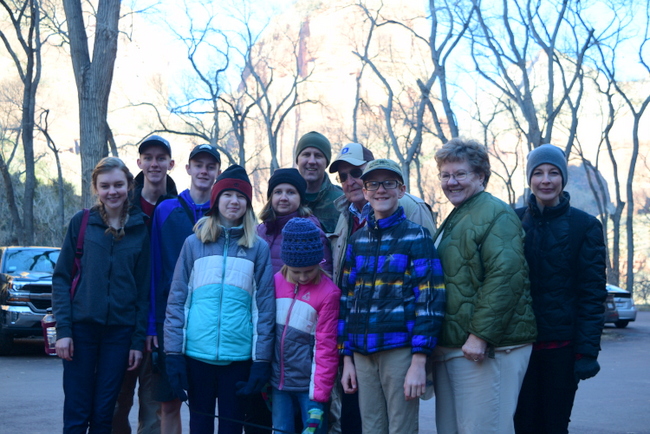
Each summer, my mom’s family has a week at the Spencer family cabin called the “Weber,” about 10 miles east of Oakley, UT. The first Weber cabin was built in the early 1900’s, and was part of a ranch shared by several prominent families in the Salt Lake Valley. Along the length of Pines Ranch runs the Smith-Morehouse River, and the Spencer cabin rests on an especially choice location right above the river. The Spencer bridge is the most permanent and strong bridge over the river at the ranch.
In 2002, the original cabin was knocked down and rebuilt with most of the important details still intact. There is a large, windowed porch room with long tables for big family dinners with a porch bed on the west end which can hold 10 people or more as they read books, gaze down at the river below, or take a nap among ample pillows. The central kitchen remains without a dishwasher so there are long dishwashing sessions to build character and relationships among those who wash and those who dry. Dozens of tiny, ancient hot chocolate mugs and stoneware place settings fill the cabinets. Pitchers and creamers are for wildflowers. There is an attic full of springy mattresses, and four rooms off the living room for senior members of the family, or those with the youngest infants.
Outside, people play volleyball, badminton, and basketball. Little children race around on scooters and toy cars while parents watch from the long porch. Tubing, spending time on the great swing in the pine grove, bike rides, and walks fill the days.
These are just the trappings of the Weber experience. The full picture is incomplete without a strong, dynamic grandmother leading the activities, a steady, fun-loving grandfather, aunts and uncles, and cousins of every age all around. I have lived long enough to see the changing-of-the-guard in these roles. Where my great-grandmother stood, my grandmother took her place, and now my mother lives her own version of matriarch at the Spencer cabin. In my mind, the matriarch is the most important role at the Weber. We don’t realize it, but each woman is in training to lead at the Weber.
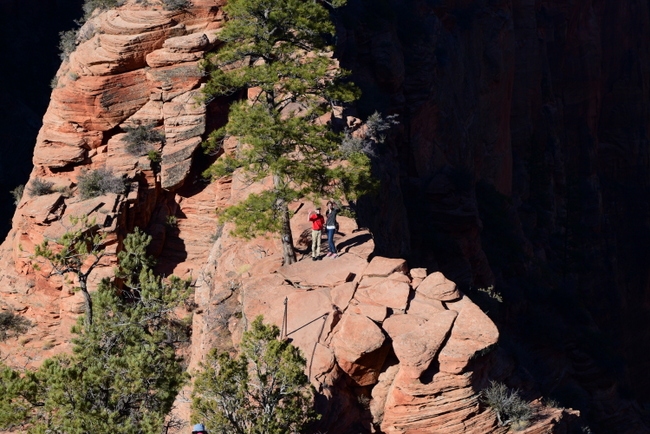
As the oldest cousin, Paige had a following of little girls at the Spencer family cabin each summer. One afternoon in 2013, as some children began tubing down the river, sixteen-year-old Paige accompanied a line of younger girls and a dog named Sadie on a walk down the hill, across the bridge, and through the pine grove toward the spring. The flagstones of the path led them through the tall grass, buttercups, and monkshood toward the spring at the base of the mountain. The happy sounds of chattering voices and laughter were suddenly overshadowed by feelings of fear from the sound of movement nearby, and some growling from the dog, Sadie. Paige wrote, “Despite the heat of the day, I felt goosebumps rise on my arms. Something was wrong. I heard a rustling sound not far from where we were standing. I looked ahead to the left side of the path, and suddenly I knew. A dark shape emerged from the trees and stood up on its hind legs. I felt myself go tense as I realized it was a bear watching us from a short twenty feet away… I looked at the sweet, scared faces which had all automatically turned to me for instruction and reassurance. Not knowing what else to do, I desperately gestured to the girls to stand close to me. Ruby, still slightly ahead of the group, slowly crept backwards. Kaitlyn and Anna huddled in fear on either side of me, their small hands gripping mine tightly. Charlotte stood still and silent behind us. As I met their wide eyes, I took a deep breath and knew I had to be brave. I had to do something. I prayed silently: Please help us. As I stood, trying to choose a course of action, Sadie started growling even more intensely and began moving slowly back and forth… Even though my mind was full of questions, fear, and disbelief, I suddenly felt surprisingly calm. Sadie barked, and … time started speeding forward again as we watched the bear start climbing up a nearby tree. As I hesitated, wondering if it was okay to move forward, my mind suddenly became clear, and I knew that we were safe to do so. ‘Let’s go!’ I hissed, and we were off, reaching for each other’s hands, rushing along the path. We didn’t look back.” (Paige’s Narrative, 2016)
This could be a story about many things: the protection of our girls, gratitude for Sadie the dog, or the adventures of childhood in the mountains. To me, the story tells what it takes to be a strong woman. Most of all, a strong woman acts in faith. For Paige that day, it was faith to trust God’s help to escape from a bear. My Grandma Stewart’s acts of faith were to reach out to the grandchildren and children who couldn’t come to the Spencer cabin because of divorce or other challenges. She never gave up traditions she knew would draw the family together someday. For my mom, her acts of faith include her hospitality to everyone. The first Spencer grandmother at the cabin, who was known for her hospitality, placed a plaque on the cabin which reads, “Come in the evening or come in the morning. Come when you’re looked for, or come without warning. A thousand welcomes you’ll find here before you, and the oftener you come here, the more we’ll adore you.”
I have seen many faces welcomed at the Weber. The bear was the only exception.